Why Employment Is a Critical Part of Ending Veteran Homelessness
A Veteran’s journey from housing instability to a meaningful career shows how employment can play a critical role in creating lasting stability. His story highlights why housing, supportive services, and opportunity must work together to help Veterans build a stronger future.
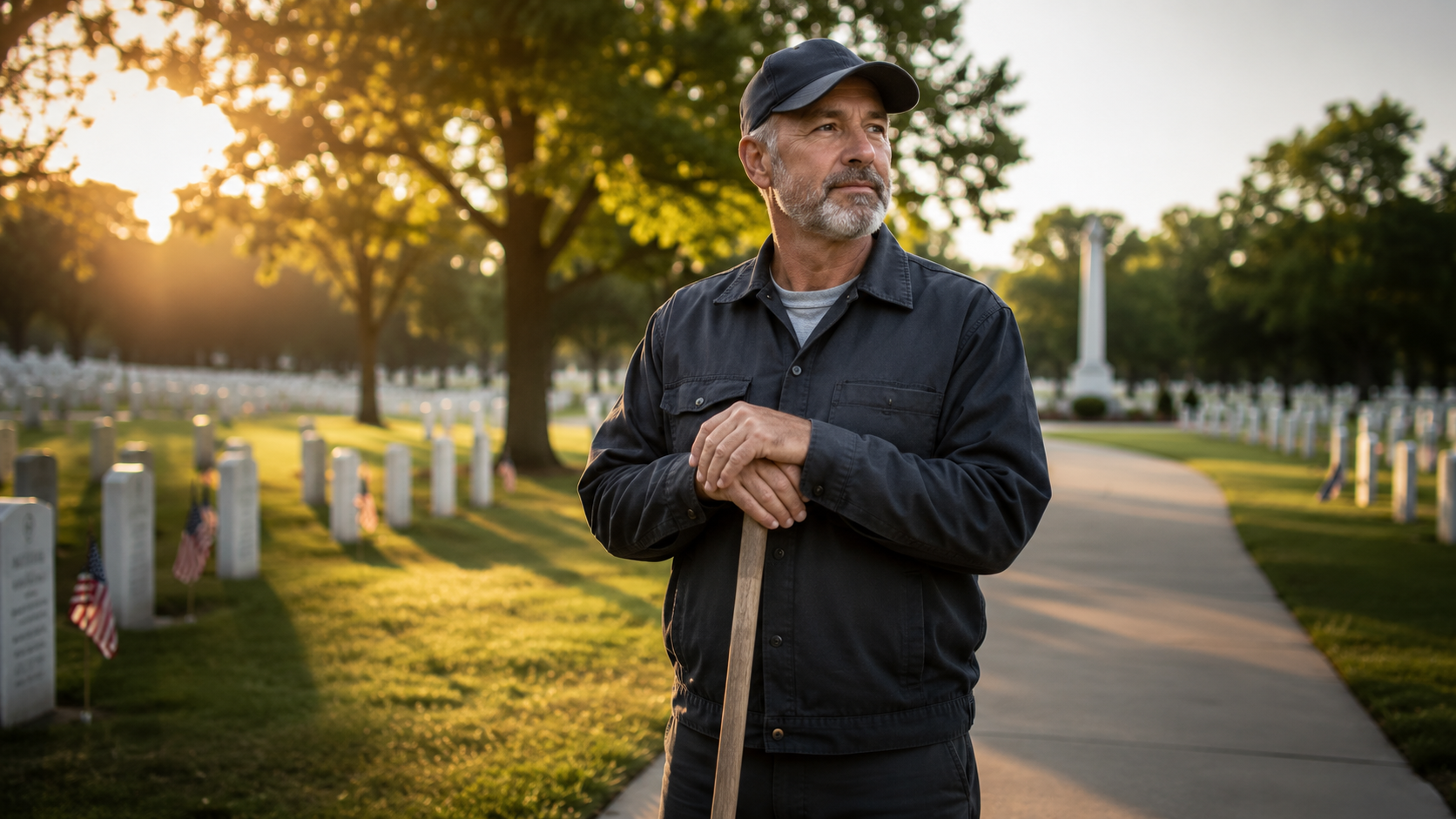
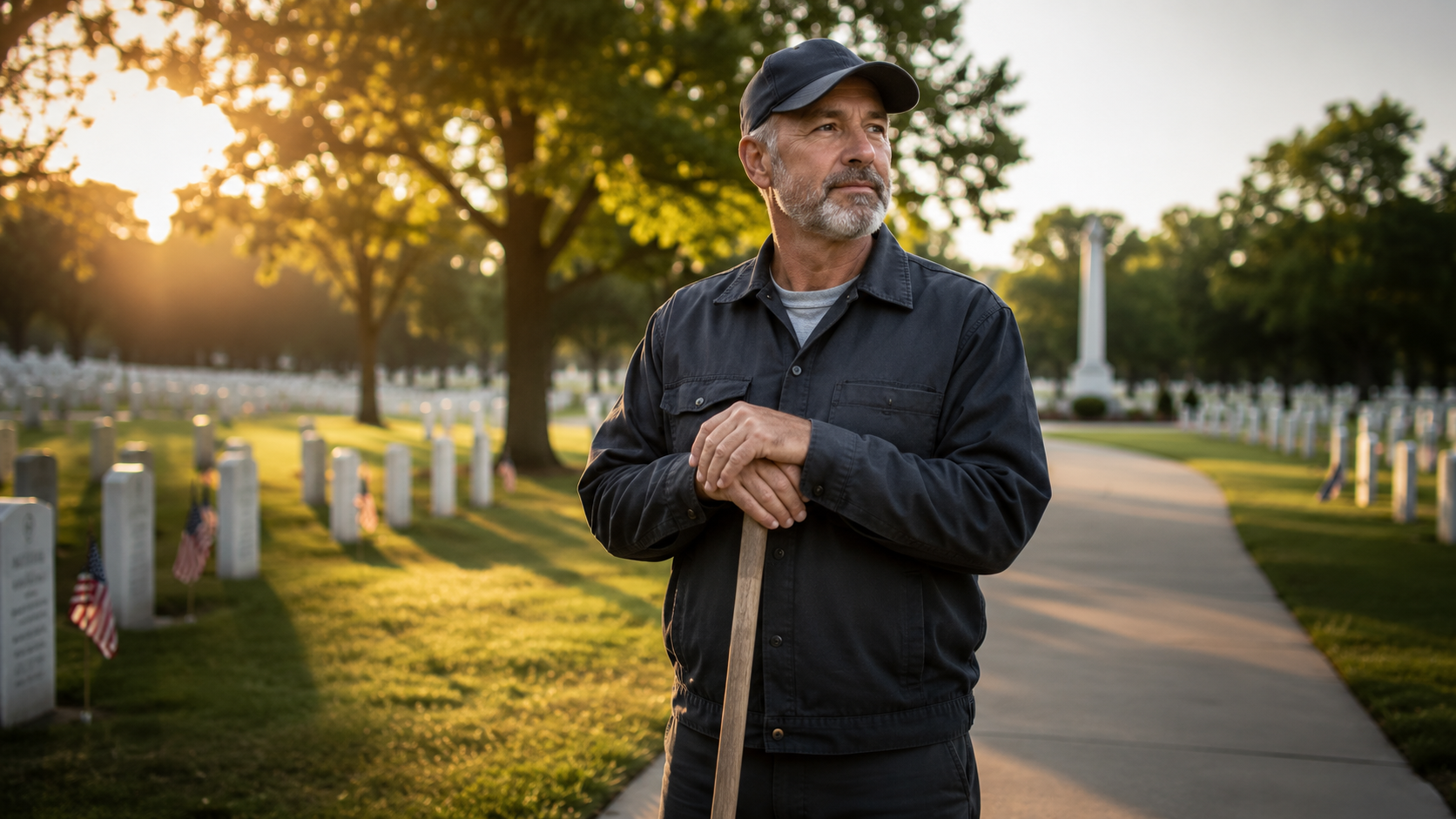
The VA recently shared the story of Air Force Veteran James Barger, whose journey took him from addiction and housing instability to a meaningful career serving Veterans and their families.
Barger enlisted in the Air Force shortly after high school in 1995 and served for four years. After returning home to Tennessee, he attended college using the G.I. Bill, but addiction and economic hardship eventually contributed to a period of instability that left him at risk of homelessness.
His life began to change when he sought help and connected with a social worker through the VA’s Housing and Urban Development-VA Supportive Housing, or HUD-VASH, program.
Through that connection, Barger learned about the VA National Cemetery Administration’s Cemetery Apprentice Program, an initiative designed to provide employment opportunities and career training to Veterans experiencing homelessness or housing instability.
Barger entered the program in 2012.
What began as an opportunity to get back on his feet became something much larger.
Over the years, he advanced from cemetery caretaker to cemetery technician and cemetery representative, developing a career centered on serving Veterans and supporting their families during some of the most difficult moments of their lives.
Today, after more than a decade with the National Cemetery Administration, he is training to become a cemetery director.
His story is a powerful example of what can happen when a Veteran receives not just one form of assistance, but a pathway that connects housing support, employment, mentorship, and opportunity.
Housing Stability and Employment Go Hand in Hand
Veteran homelessness is rarely the result of a single challenge, and it is rarely solved by a single intervention.
A Veteran may be dealing with housing instability while also facing unemployment, financial hardship, difficulty navigating benefits, health challenges, transportation barriers, or a lack of connection to supportive resources.
That is why a comprehensive approach is so important.
Stable housing provides a foundation.
Employment can help build on that foundation by providing income, independence, routine, confidence, and the ability to plan for the future.
For many Veterans, meaningful work can also restore something equally important: a sense of purpose.
Barger described employment as being about much more than a paycheck. Through his career, he gained opportunities to learn, grow, solve problems, build relationships, and contribute to a mission larger than himself.
That connection between stability and purpose is something organizations serving Veterans see every day.
GI Go Helps Veterans Build Long-Term Stability
At the GI Go Fund, our work with Veterans has always been about helping people move toward lasting independence.
That often means addressing multiple challenges at the same time.
GI Go works with Veterans and their families to connect them with employment opportunities, career services, financial counseling, benefits assistance, housing-related resources, and other forms of support designed to help them overcome barriers and move forward.
For Veterans experiencing or at risk of homelessness, employment can be an especially important part of that process.
A job can help a Veteran maintain housing, regain financial stability, rebuild confidence, and establish a stronger foundation for the future.
But getting there may require more than simply handing someone a list of job openings.
Veterans may need help translating their military experience into civilian skills, preparing a resume, identifying appropriate career opportunities, addressing transportation or technology barriers, navigating benefits, improving financial stability, or connecting with additional community resources.
That is why coordinated support matters.
Since 2021, GI Go has also provided employment services, financial counseling, resource navigation, and other assistance to Veterans living at Soldier On’s supportive and affordable housing community in Tinton Falls, New Jersey.
This work reflects a simple principle: helping a Veteran obtain housing is enormously important, but helping that Veteran build the stability needed to remain housed and thrive is equally important.
Opportunity Can Change the Direction of a Life
James Barger’s story did not change because of one single moment.
It changed because several things came together.
He made the decision to seek help.
A social worker helped connect him to resources.
Housing support provided stability.
An employment program gave him an opportunity.
Mentors helped him grow.
And over time, that opportunity became a career.
More than a decade later, a Veteran who once faced housing instability is now helping ensure that other Veterans receive dignity and respect at the end of their lives.
Stories like his are a reminder of what is possible when Veterans are connected not only to immediate assistance, but also to opportunities that create long-term stability.
At GI Go, that is the goal behind the work we do every day: helping Veterans overcome barriers, connect with the resources they need, find meaningful opportunities, and build a stronger future.
Read the original VA News story:
One Veteran’s Journey from Homelessness to Honored Caretaker, published by the U.S. Department of Veterans Affairs.
Veterans who are homeless or at risk of homelessness can also contact the National Call Center for Homeless Veterans at 877-424-3838 for assistance.